A Designer's Real‑World Review of Easter Egg Home Redwork
When I sit down to evaluate an embroidery design for practical use—whether it’s for a client project, a handmade product for my shop, or a personalized gift—I look beyond the thumbnail. I think about how it will actually stitch out, how it will feel on fabric, and what kind of story it tells when it’s finished. The Easter Egg Home Redwork embroidery design lands in that space with a quiet, welcoming charm.
The Immediate Mood: A Clean, Homespun Holiday Touch
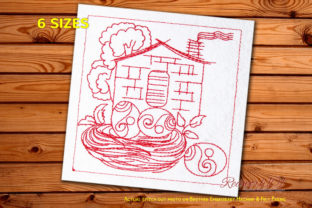
The first impression of Easter Egg Home Redwork is one of neat, line‑art simplicity. It’s not overly busy. The eggs and the ‘Home’ text have a gentle, sketched quality that feels classic and warm. This isn’t a loud, cartoon‑style Easter motif; it’s more of a subtle nod to the season. The mood it creates is nostalgic and cozy—perfect for projects where you want the embroidery to feel like a thoughtful accent rather than the entire statement.
Where This Design Naturally Belongs
In my mind, this design almost immediately maps itself to certain products. Its clean lines and moderate detail level make it a fantastic candidate for items where a minimalist aesthetic is valued.
- Kitchen linens: Tea towels or apron pockets where a little holiday spirit is welcome without being overwhelming.
- Pillow covers or nursery decor: For a spring‑time refresh, it adds a sweet, under‑stated element.
- Personalized gifts: Think of a simple tote bag for a neighbor’s Easter brunch hostess gift, or a lightweight cotton blanket for a baby.
- Small business merchandise: For an Etsy shop focusing on home‑style gifts or a boutique selling seasonal kitchenware, this design could become a reliable, easy‑to‑produce item.
I recently considered it for a custom order: a linen pillow cover for a client who wanted a touch of Easter in her living room without anything too childish. The ‘Home’ element resonated with her directly—it made the piece feel specific and heartfelt.
Performance on Real Fabrics & Products
Moving from the screen to the hoop is the real test. Because Easter Egg Home Redwork appears to rely on line work—likely done with satin stitch or a clean running stitch outline—its performance depends heavily on fabric choice and preparation.
On stable, medium‑weight fabrics like cotton canvas (for tote bags), linen, or a standard sweatshirt fleece, it should stitch out with good clarity. The shapes are open and not overly dense, so puckering should be minimal with proper stabilizer. On a baby‑ribbed knit or a stretchy t‑shirt, you’d need to be more meticulous with your stabilizer choice to keep those clean lines from distorting.
For darker fabrics, the visual appeal hinges on thread color contrast. A white or pale cream thread on a navy tea towel would make this design pop beautifully, maintaining that ‘redwork’‑style feel even without red thread. I always advise testing on a scrap of your actual project fabric first to see how the thread colors interact with the background.
Careful Placement: Where to Pay Extra Attention
Some applications require a bit more forethought.
- Small hoop sizes: If you’re aiming for a tiny version on a cap or a baby item’s sleeve, check the design’s minimum recommended size. Small lettering, like the ‘Home’ text, needs to be clear and not too tightly packed.
- Textured or thin fabrics: On a loosely woven blanket or a thin voile, the stitch density needs to be appropriate to avoid either sinking in or pulling the fabric. Without knowing the exact stitch count, I’d recommend a test run.
- Curved surfaces like caps: The oval egg shapes should adapt well, but ensuring the design file is properly adjusted for the curvature is key to avoiding stretched‑looking lines.
For products destined for frequent washing—like kitchen towels or baby clothes—a robust stabilizer and good quality thread will help this simple design hold up over time, maintaining that handmade presentation you want for your brand.
How It Adds Value to Your Work
From a business and craft perspective, Easter Egg Home Redwork offers a straightforward versatility. Its theme is seasonal but not limited to a single day; ‘Home’ gives it a broader, spring‑time warmth. For a crafter or small shop owner, this means you could use it for a range of products throughout March and April, not just for Easter‑specific listings.
When stitched well on a suitable product, it elevates the item’s perceived value. It looks intentional and professional, not haphazard. That builds customer trust—they see a clean, well‑executed embroidered detail. For a personalized gift, it feels crafted, not mass‑produced, which enhances its giftability.
If you’re creating digital product previews or printable mockups for your embroidery file shop, this design’s clean lines would render well in both light and dark background mockups, helping potential buyers visualize it on their own projects.
Practical Designer Notes Before You Hoop
My process before committing any design to a final project always includes these steps, and I’d apply them to Easter Egg Home Redwork:
- Stitch a sample on scrap fabric: Use the same fabric and stabilizer combo as your final project. This reveals true stitch density, clarity of small details, and any potential issues.
- Check thread color contrast: Try a few schemes. The traditional ‘redwork’ look is lovely, but a soft blue or green on a neutral background might suit a different product line.
- Confirm your hoop size and machine compatibility: The product description states it comes in multiple embroidery file formats. Ensure you’re using the correct format for your machine and that the design size fits your intended hoop.
- Consider the background: How does it look on both a light and a dark fabric mockup? This helps in planning product photography for your shop.
- Clarify licensing for your use: If you plan to sell the finished embroidered products or use the design commercially, verify the license terms associated with this embroidery file. Never assume.
Remember, a design like this is a tool. Its success in your custom apparel, holiday gifts, or craft business merchandise depends on how you apply it. Easter Egg Home Redwork, with its homespun line‑art style, gives you a gentle, versatile starting point for creating something that feels both handmade and professionally thoughtful. It’s a design that, when paired with the right fabric and purpose, quietly does its job well—making a product feel special, seasonally appropriate, and genuinely crafted.