A Modern Take on String Art Embroidery for Your Projects
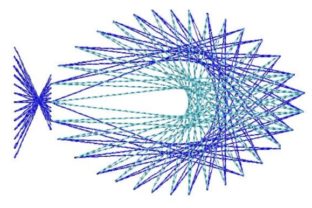
When I see a design titled String Art Fish, my first thought isn’t just about the subject—it’s about the technique. The promise here is clever: using the humble running stitch, a single continuous line for each color, to build an entire image. It feels graphic, clean, and inherently modern. This isn’t a heavily filled, realistic fish illustration; it’s a stylized piece of art that would appeal to someone looking for a contemporary, minimalist touch on their handmade product.
The Mood and Personality of This Fish Design
The string art approach creates a playful, almost kinetic mood. The lines suggest motion, like the fish is swimming through a sketched current. This gives it a friendly, approachable personality—it’s decorative but not overly precious. The detail level is intentionally simple, which is a huge advantage for us makers. On a textured fabric like a cotton tote bag or a fleece baby blanket, a design with overly dense satin stitches can get lost. This running stitch construction, however, will remain crisp and clear. It speaks to a customer who appreciates clever design over sheer ornamentation.
Where This Design Shines in Real Projects
I’m picturing this on a natural canvas tote bag for a boutique. The two-color scheme means you can adapt it to the bag’s color—a navy fish on a light bag, or a cream-colored fish on a dark denim apron. It feels perfect for custom apparel like minimalist sweatshirts or relaxed t-shirts, where a large, heavy design might be uncomfortable. Because it’s built from lines, the stitch density is likely manageable, making it suitable for lighter fabric textures like linen tea towels or cotton pillow covers.
For baby embroidery on a nursery blanket or a simple romper, the design’s gentle lines are safe and sweet, without sharp corners or bulky stitch areas. As a personalized gift, like a kitchen towel for a fishing enthusiast or a pillow for a lake house, it hits that note of thoughtfulness without being generic. For Etsy sellers and small shop product lines, this kind of design is a versatile asset. It can be scaled for a small patch or enlarged for a statement piece on a hoodie, maintaining its character.
Careful Considerations for a Smooth Stitch
The elegance of a single continuous line also brings a practical warning. On highly stretchy fabric, like a thin t-shirt, you’ll need excellent stabilizer to prevent those running stitches from distorting. The design’s success hinges on clean, unbroken lines. On curved surfaces like caps, you’d want to test it on scrap fabric first to ensure the longer lines don’t pull or break on the curve. For dark fabric, the choice of thread color contrast is paramount—a pale thread on black will make that “string art” effect pop beautifully.
While the description says it comes with multiple embroidery file formats, that’s a reminder for every project: always confirm your specific machine compatibility and the included hoop size range before loading it up. I would also advise checking the licensing terms if you plan to use this for commercial embroidery or selling the finished product in your craft business. It’s a step that protects your work and builds customer trust.
How It Elevates Your Finished Product
From a professional standpoint, using a design like String Art Fish correctly boosts the perceived value of your item. Its clean execution shows craftsmanship. On a embroidered patch, it would look intentional and graphic, easy for a customer to visualize on their jacket. In printable mockups for your digital product listings, it presents as a sharp, usable design asset. For holiday embroidery or wedding gifts, its artful style feels more special than a clip-art image. That builds brand consistency for a maker focused on modern, thoughtful goods.
It’s also a design that invites engagement. A customer looking at it on a tote bag design in your shop might recognize the clever technique and appreciate the handmade presentation more. That connection can turn a simple purchase into a loyal following.
Practical Notes Before You Hoop the Fabric
My routine for any new design like this involves a few key steps. First, I stitch it out on a scrap of the actual fabric I plan to use—is it a textured sweatshirt fleece or a smooth apron twill? This reveals how the lines interact with the fabric texture. Second, I check it in both black and white digital mockups to see how the silhouette holds up. Third, I experiment with thread colors. The description mentions two colors, but which two? A high-contrast pair (like black and white) will maximize the string art effect; a tonal pair (like two shades of blue) will create a softer, more blended look. Finally, I inspect the stitched sample for any tiny details or corners where the continuous line might create a potential pinch point that needs hooping adjustment.
String Art Fish is a compelling example of how a simple concept, executed well, can become a versatile tool in your embroidery project library. It’s not just a fish; it’s a mood, a technique, and a potential favorite for your next custom order. Approach it with a tester’s mindset, respect its linear construction, and it will reward you with a clean, contemporary finished product that stands out in a crowded market.