A Practical Look at the Little Mister March Clover Applique
The First Impression: Sweet, Swirly, and Seasonal
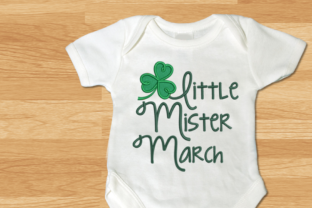
When you first open the Little Mister March Clover Applique embroidery design, the mood is immediately clear. It’s playful, charming, and unpretentious. The layout is straightforward—the swirly clover icon paired with the “Little Mister March” text—but it’s executed with a softness that avoids feeling clunky or overly commercial. The detail level in that clover, with its swirling tendrils, suggests a nice balance of satin stitch and fill stitch areas that will translate well to fabric. It feels like a design that naturally belongs to personalized gifts, baby items, or cheerful seasonal decor, not a generic holiday logo. The visual personality is friendly and celebratory, perfect for marking a special month.
Where This Design Finds Its Best Home
In real-life embroidery situations, this design has a surprisingly wide range of applications. I pictured it immediately on a custom sweatshirt for a March-born little one, or as a small, sweet motif on the corner of a baby blanket. For small business merchandise, it would be a lovely addition to a spring-themed line of embroidered tea towels or pillow covers in a boutique. As an Etsy seller, you could easily build a product around it—think a simple tote bag with this design paired with a neutral fabric, offering it as a “March Birthday” gift. The applique element adds a layer of visual interest and texture that can increase the perceived value of a handmade product.
For apparel decorators, it’s a strong candidate for lightweight hoodies or kids’ t-shirts. The scale, given the mentioned four hoop sizes, suggests flexibility. A smaller version could become a delicate patch for a cap, while a larger one could be the focal point on an apron for St Patrick's Day baking festivities. In a more commercial embroidery project, like a run of promotional items for a spring event, it offers recognizable, seasonal branding without being too niche.
Caution Areas: Where to Test First
While versatile, this design requires some practical forethought. The small lettering in “Little Mister March” is the obvious point of attention. On textured fabrics like some sweaters or on dark fabric where thread contrast is critical, those tiny letters could lose clarity if the stitch density isn’t optimized. Similarly, stitching it on a curved surface like a cap brim would demand careful stabilization to keep the swirly clover details sharp.
Any product destined for frequent washing—think kitchen towels or baby clothes—needs a test run to ensure the stitches, especially the applique edges, hold up. I’d also be cautious using the smallest hoop size on very thin or stretchy fabric; the combined detail of the icon and text might bunch without the right stabilizer strategy. Always stitch it out on scrap fabric first, mimicking your final project’s material.
The Impact on Your Project and Your Customer
From a professional designer’s viewpoint, using a clean, cohesive embroidery file like this affects more than just the stitch-out. It directly impacts stitching clarity, which builds customer trust. A crisp, well-defined clover and legible text on a finished product signal care and quality. For a craft business, that consistency elevates your brand’s presentation.
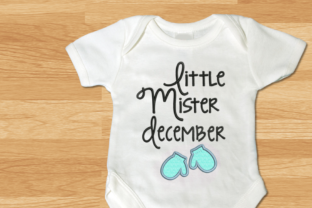
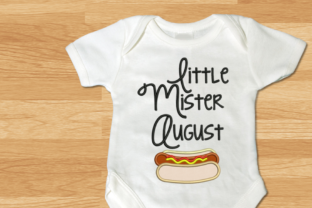
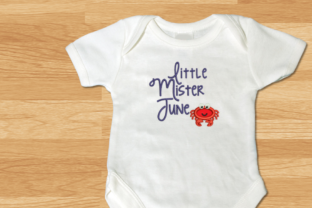
This design has high giftability. It’s personal (“Little Mister”), seasonal (March), and festive (the clover). That combination engages buyers looking for a meaningful, handmade present. It also aids in recognition; the style fits within a broader “Little Miss and Mister” collection, allowing you to potentially offer a series, which is attractive for digital product sellers and creative entrepreneurs building design assets.
Your Practical Designer Checklist
Before running this embroidery file for a client project or your own shop merchandise, here’s my realistic run-through:
- Test on both light and dark fabric backgrounds. The color palette you choose will dramatically change its feel.
- Review the stitch density in your machine’s preview. Pay special attention to the tight curves of the clover swirls and the small text areas.
- Confirm the exact hoop sizes and formats. The description notes 9 formats and 4 hoop sizes—match the correct one to your project’s dimensions.
- Use proper stabilizer. This is non-negotiable for preserving the design’s integrity, especially if you’re venturing into stretchy or layered garments.
- Consider creating printable mockups. For digital embroidery file sellers, showing this design on a product mockup like a baby romper or tote bag can greatly boost sales.
- Check licensing terms. Always verify whether the design is cleared for commercial use if you’re selling finished items or including it in your own digital product line.
A Real Scenario: Crafting a March Birthday Gift
Imagine you’re preparing a custom embroidered tote bag as a March birthday gift for a toddler. You select a natural canvas fabric. Hooping it up, you choose a mid-range size from the available options to make the design a statement but not overwhelming. As the machine runs, you watch the applique area come together—the swirly clover fills with a smooth satin stitch border, and the text stitches out cleanly. The finished piece feels special, not generic. It’s not just a bag; it’s a “Little Mister March” bag. That’s the magic of a well-executed embroidery design. It transforms a simple project into a personalized treasure, and that’s exactly where this Little Mister March Clover Applique shines.
For hobbyists and makers, it’s a fun, seasonal project. For small business owners and apparel decorators, it’s a reliable, appealing asset. Its strength lies in its straightforward charm and practical adaptability. Just remember to treat it with the same professional preparation as any embroidery project—test, stabilize, and match it to the right product. Then, watch that swirly clover bring a bit of March cheer to your work.