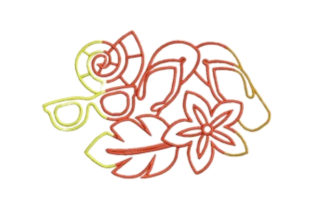
A Professional’s Take on the "Summer Clothes" Embroidery Design
As someone who stitches designs for clients, craft fairs, and my own shop daily, my first question about any embroidery file is always a simple one: does it feel right for real projects? When I opened the "Summer Clothes" design, that feeling was immediate. It’s a bright, cheerful collection of icons—sun, sandals, a playful dress—arranged in a loose, breezy layout. It doesn’t scream "summer" in a loud, generic way; it whispers it with a gentle, colorful personality. This isn’t a dense, formal logo. It’s an illustration, and that tells me its natural home is on relaxed, personal items.
The Mood It Creates and Where It Belongs
The mood here is lighthearted and nostalgic. The shapes are soft, with a hand-drawn aesthetic that avoids harsh lines. This makes it perfect for items meant to convey warmth, joy, or a personal touch. I immediately pictured it on a lightweight cotton tote bag for a beach day, or as a small accent on the hem of a baby’s sun dress. For a boutique selling handmade goods, this design could become a signature look for a summer product line—tea towels, apron pockets, or simple pillow covers for a sunny guest room.
Its visual personality is friendly, not corporate. That’s a crucial distinction. If you’re an Etsy seller or a crafter making personalized gifts, this design adds value because it feels made, not merely manufactured. A client receiving a custom embroidered sweatshirt with this motif would see a thoughtful, artistic detail, not just a branded graphic.
Performance in Real-Life Embroidery Situations
Let’s talk practical application. I’m thinking through a specific scenario: a last-minute order for a set of embroidered kitchen towels as a wedding gift. The "Summer Clothes" design, scaled appropriately, would be a charming choice. Its elements are distinct enough that on a linen-cotton blend towel, the satin stitches and fill areas should hold up well and remain clear after washing. The open layout means stitch density is likely manageable, preventing a stiff, heavy feel on the fabric.
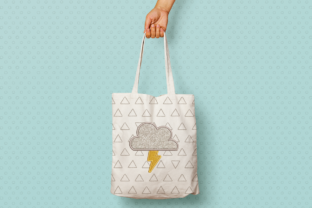
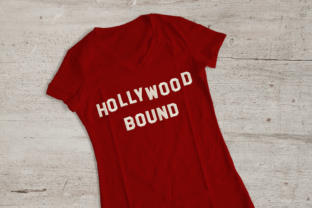
For apparel decorators, this design adapts well. On a light-colored t-shirt with proper stabilizer, it would be a lovely chest or sleeve detail. On a tote bag, it becomes the main feature. For baby embroidery on a romper or blanket, its playful theme is a natural fit. As an embroidered patch, it would work beautifully, though I’d pay close attention to any tiny details in the smaller icons to ensure they stitch out cleanly on the patch material.
Where to Use This Design Carefully
Every design has its considerations. The "Summer Clothes" design, with its likely mix of fine lines and fill areas, demands a thoughtful approach on certain surfaces. On very stretchy fabric like a thin jersey, you’d need excellent stabilizer and possibly a lighter-weight thread to prevent distortion. Embroidering on dark fabric will require bright, contrasting thread colors to maintain its sunny vibe—test that on scrap first.
Curved surfaces like caps can be tricky. If the design is too wide or has dense corners, it might pucker or lose clarity on the curve. Always check the recommended hoop size and whether the design’s width fits your cap frame. Also, on textured fabrics like a waffle-knit blanket, smaller details might get lost; a slightly larger scale could be better. For products destined for frequent washing, like aprons or activewear, a robust stabilizer and quality thread are non-negotiable to preserve the design’s integrity.
How This Design Affects Your Project's Appeal
From a business perspective, using a design like this impacts more than just the stitch. It affects customer perception. A handmade product featuring this embroidery feels cohesive and designed, not random. That builds trust. It shows you’ve chosen an asset that matches the product’s purpose. For a gift, it increases the "giftability"—it’s clearly not a mass-market image.
If you’re building a brand around seasonal items, "Summer Clothes" offers consistency. Your summer line of tote bags, sweatshirts, and nursery decor can share this visual theme, creating a recognizable collection for your shop. In a printable mockup or digital product preview for your online store, it lends a professional, artisan quality that engages buyers looking for something unique.
Practical Notes for the Embroidery Designer
Before you hoop that final product, here’s my standard review checklist for a design like this. First, always stitch it out on scrap fabric of the same type you’ll use. This reveals everything: thread color contrast, the behavior of small details like the sandal straps, and the actual stitch density. Is it too heavy for a thin t-shirt? Does it look crisp on a tea towel?
Check it in both light and dark background scenarios if you plan to use it across fabrics. I often create simple black and white digital mockups to judge the composition’s balance without color distracting me. Confirm your stabilizer choice; a design with varied fills might need a different type than a simple running stitch outline.
Most importantly, for any commercial use—selling the finished tote bag, the baby blanket, or the cap in your small shop—you must confirm the licensing terms of the embroidery file. The product description mentions it comes with multiple embroidery file formats for multiple uses. That’s promising, but the specifics matter. Ensure your intended use is covered. Never assume.
The "Summer Clothes" machine embroidery design is, in my judgment, a strong digital asset for creators aiming to infuse real warmth into their work. It’s not just a file; it’s a tool for making products that feel like summer.