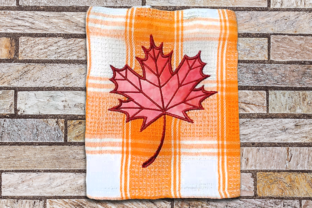
A Warm Review of the Maple Leaf Applique Embroidery Design
As someone who has spent years creating embroidered gifts, I always take a moment to really review a design before I trust it with a customer’s precious project. Today, I’m putting the Maple Leaf Applique under my needle—not on a final product, but on test swatches—to see if it earns a place in my shop’s collection for personalized autumn gifts.
First Impressions: A Design Full of Seasonal Charm
Opening the files, the first thing I notice is the mood. This maple leaf design isn’t just a graphic; it feels classic and handmade. It has a sweet, nostalgic charm that immediately suggests cozy blankets and family gatherings. The detail level, from the distinct leaf shape to the implied veins, strikes a balance: it’s clearly defined for clean stitching, yet retains an organic, natural feel. This isn’t a stark, modern graphic; it’s warm and inviting, carrying an emotional appeal perfect for stories and memories.
For a gift shop owner, that emotional connection is gold. A customer looking for a Thanksgiving keepsake or a fall-themed nursery item isn’t just buying decoration; they’re buying a feeling. This design provides that foundation.
The Perfect Canvas: From Baby Blankets to Wedding Keepsakes
So, where would I use this? My mind runs through my typical customer requests. For baby embroidery, this maple leaf would be stunning on a corner of a heirloom blanket or subtly worked into a nursery pillow cover. It’s gentle and timeless. For wedding gifts, imagine it appliquéd onto a linen apron for a cooking-loving couple or a custom tote bag for a fall wedding—it becomes a personalized, seasonal keepsake.
For the everyday handmade product, it’s incredibly versatile:
- Personalized towels and kitchen linens for a hostess gift.
- Pillow covers for a craft fair, instantly signaling autumn.
- Blanket embroidery on a throw for a family member.
- Tote bags and aprons as best-sellers for small shop products.
The fact that it comes in multiple hoop sizes is a huge practical advantage. It means I can scale it for a small detail on a baby garment or make it a bold statement on a large pillow. For an Etsy seller creating digital mockups or a wedding gift designer offering custom order previews, having those size options allows for flexible and attractive product photography.
A Note on Careful Application: Where to Test First
Even with a lovely design, execution matters. Before I run this on a real customer’s item, I consider where it might need extra attention. The design has clear separations, but on textured fabric like a thick towel or a nappy blanket, I’d absolutely test on a scrap first to ensure the applique sits smoothly. On stretchy baby clothes or curved surfaces like a hat, the right stabilizer is non-negotiable.
While the design isn’t overly delicate, I would advise checking the small details after stitching, especially if using it on a dark fabric. Thread color contrast is key here. A mockup on both light and dark backgrounds in my software helps plan that. Also, for products destined for frequent washing, like kitchen towels, I’d pay close attention to stitch density and thread type to ensure longevity.
How This Design Elevates Your Gift Business
From a business perspective, using a well-crafted embroidery file like this directly impacts your success. The finished product with this maple leaf feels intentional and high-quality, boosting its perceived value. That builds customer trust. When a buyer sees the clean, charming result on a pillow cover or baby blanket, they recognize the handmade quality, which leads to better reviews and repeat engagement.
For product photography—so vital for Etsy sellers and small business owners—a design with such clear, appealing shapes makes your items look professional and desirable. It tells a story of autumn, family, and warmth, which attracts customers seeking meaningful personalized gifts. It’s not just a product; it’s an experience you’re selling.
Practical Steps Before You Stitch for a Client
My final review process always includes these steps, and I recommend them to any fellow crafter or small business owner:
- Always, always test on scrap fabric that matches your final product’s weight and texture.
- Check your thread color choices against both light and dark background mockups to ensure the leaf pops.
- Confirm the hoop size you’ve selected from the provided files is appropriate for your item’s available space.
- Review the stitch density by looking at the file closely; a good design will have balanced coverage.
- Use the proper stabilizer for your specific fabric texture—this is crucial for applique.
- After your test stitch, inspect all small details and color change points.
- If you plan to sell the finished products, confirm the commercial embroidery licensing terms for the digital embroidery file before listing any embroidered towel, blanket, or tote bag.
Remember, the product description notes it includes multiple formats and hoop sizes, and that steps are separated by color changes. I’d advise reviewing those specifics in your downloaded files to ensure smooth machine operation.
A Design That Welcomes the Season
In my final assessment, the Maple Leaf Applique is a winner for a personalized gift shop. Its classic, warm aesthetic connects emotionally with customers seeking autumn-themed keepsakes. Its technical preparation makes it adaptable for a wide range of products, from delicate baby items to sturdy home decor. By taking the prudent steps to test and match it to the right project, you can create finished products that carry a high perceived value and genuine handmade charm. It’s a design that feels like a warm welcome to the season, ready to be stitched into someone’s story.