Bunny Rabbit Embroidery for Craft Fair Products
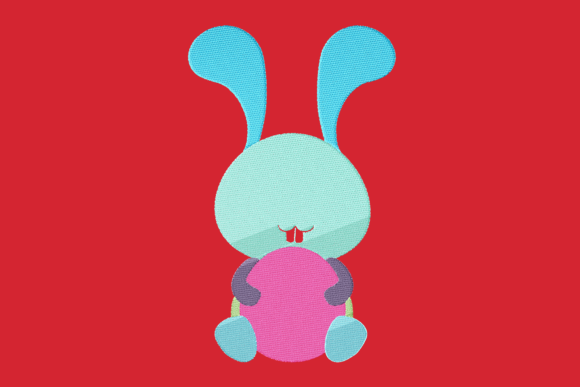
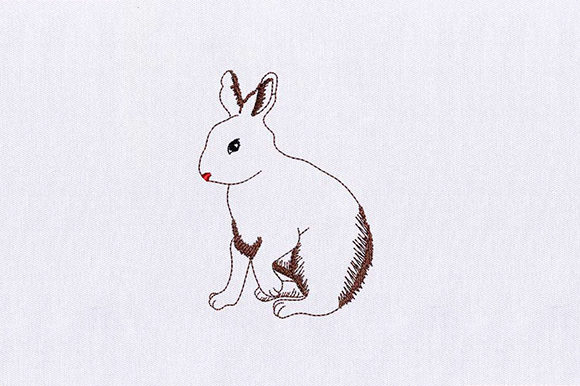
As an embroidery designer preparing for a weekend market, every design in my library gets a real-world review. I’m looking at the Bunny Rabbit machine embroidery design, categorised under Woodland Animals, and thinking about how it translates to actual products on my booth table. This isn’t just about a cute file; it’s about what sells in person, what catches a customer’s eye from three feet away, and what is practical to produce in batches for my handmade shop.
First Impression and Market Fit
The immediate feeling from Bunny Rabbit is soft, cute, and decorative. It leans into a rustic charm that fits perfectly with the current trend for farmhouse and woodland aesthetics. This isn’t a minimalist or hyper-modern design; it’s approachable and warm. That mood is a huge advantage at a craft fair. Customers browsing for a handmade gift or a personal accent for their home are often drawn to this familiar, comforting style. It feels premium not because it’s overly complex, but because it evokes a sense of handmade quality and natural appeal.
Where Bunny Rabbit Stands Out on Products
My booth strategy involves having samples across multiple products to show versatility and spark ideas. Here’s where I see Bunny Rabbit shining.
Kitchen and Home Textiles: The Natural Habitat
This design feels destined for aprons and tea towels. On a crisp, natural linen apron, Bunny Rabbit becomes a focal point that softens a utilitarian item. On a tea towel, especially a textured one, it adds that decorative touch that makes a simple item feel like a special kitchen accessory. The rustic cuteness elevates these everyday objects into giftable handmade items. A pillow cover with this embroidery would be a strong seller, turning a basic cushion into a statement piece for a living room or nursery.
Tote Bags and Market Bags: The Carryable Statement
A tote bag is a walking advertisement for your booth. Bunny Rabbit on a sturdy canvas tote or a softer fabric market bag creates a product with immediate appeal. It’s not too loud, but it’s definitely noticeable. This kind of design encourages a second look—someone might see the bag on a neighbor and remember your small shop. For online listings like Etsy, a tote bag with this design photographs beautifully, as the cute character provides a clear, engaging focal point against the bag’s surface.
Small Accents and Patches: Versatility for Engagement
Not every customer wants a large item. Bunny Rabbit also works wonderfully as a smaller accent. On a fabric pouch or a small cap, it becomes a charming detail rather than a centerpiece. This is crucial for batch production—offering the same design in multiple sizes and contexts increases your chances of a sale. An embroidered patch based on this design allows for even more customization, appealing to customers who want to apply it to their own garments or projects.
Practical Production and Selling Points
The description calls it a high-quality embroidery design, which suggests attention to detail in the digital embroidery file. But my job is to translate that into physical, sellable products.
Understanding at a Glance and Photography
A successful craft fair product must be understood instantly. Bunny Rabbit excels here. Its subject is clear, its style is cohesive, and it doesn’t require explanation. This is vital for busy fair attendees scanning tables. For my Etsy listings and printable mockups, this clarity is equally important. The design photographs well because it has a defined shape and likely good contrast in its intended thread colors, making online previews accurate and appealing.
Scale, Density, and Production Considerations
Before running any commercial embroidery, I need to consider how this design handles different scales. Is it best as a large focal design on a pillow, or does it retain its cute detail when stitched smaller on a cap? Without knowing the exact stitch count or file complexity from the description, my standard process applies: test the design on scrap fabric at the intended size. I check for any tiny details or dense stitch areas that might become problematic on thicker fabrics like canvas or textured towels. Stitch density affects production time and thread usage, which impacts my batch production efficiency.
Fabric, Stabilizer, and Technical Execution
The success of Bunny Rabbit on a curved cap surface or a dark fabric depends entirely on my setup. Using the right stabilizer is non-negotiable to maintain the design’s shape. I must review the spacing within the design to ensure elements won’t pucker. Thread contrast against the final fabric color is a key selling point—a bunny on a dark navy tote needs bright, clean thread choices to pop. I always create at least one real mockup on the final product fabric, like a tea towel or tote, before committing to a production run. This reveals any issues with fabric texture or hoop size requirements.
Booth Display and Customer Engagement
At the fair, my display tells a story. Bunny Rabbit contributes to a cohesive Woodland Animals theme if I pair it with similar designs. Its soft appeal attracts a certain customer—often those looking for gifts, home decor, or items for children. Having it displayed on multiple product types (a towel hanging, a bag on a hook, a pillow on a table) creates repetition that reinforces its charm and shows its versatility. This increases booth display strength. A customer who likes the bunny on a towel might also buy it on a pouch, seeing the same quality applied differently.
Value Perception and Brand Consistency
This design, when embroidered neatly on high-quality fabric, significantly boosts the perceived value of a basic item. A plain tea towel becomes a $18 artisan product. It reinforces my brand as a maker of charming, well-executed handmade products. For my digital shop selling the embroidery file itself, clear notes about its best applications (like recommending it for home textiles) help other Etsy sellers and creative entrepreneurs use it successfully.
Final Designer Notes Before Production
My review concludes with actionable steps. I admire the cute potential of Bunny Rabbit, but my professional responsibility is to ensure it performs reliably as a craft fair product.
- I will test the embroidery file on several fabric types: linen, canvas, cotton towel, and a twill cap to assess performance.
- I will compare thread color choices against my standard fabric palette to ensure maximum visual appeal.
- I will inspect the finished stitch quality for any areas that might be prone to snagging or might lose clarity if stitched too small.
- I will absolutely confirm the commercial licensing terms for this digital embroidery file before selling any finished products. The description provided does not specify this, so checking with the file source is mandatory.
- I will prepare a small batch of best-selling products—likely a tea towel and a tote bag—as my lead items for the booth, using this design to create a warm, inviting first impression at my table.
Bunny Rabbit has the inherent charm to attract attention and the stylistic fit to resonate with a wide craft fair audience. By focusing on its application on the right products and ensuring technical excellence in the embroidery process, this design can become a reliable, sellable staple in my lineup of handmade market products.