Wildcat Embroidery Design Review for Craft Fair Success
As a professional embroidery designer preparing products for a weekend craft fair, every design file gets a thorough review. It’s not just about whether it’s cute; it’s about whether it sells, looks impressive in person, and is practical to produce in batches. Today, I’m evaluating the Wildcat machine embroidery design for your next handmade product line.
First Impression: Where Does Wildcat Fit?
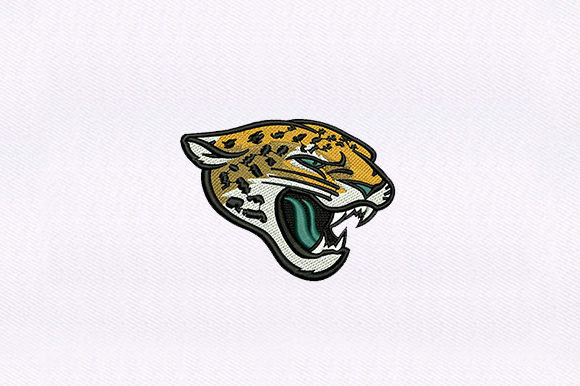
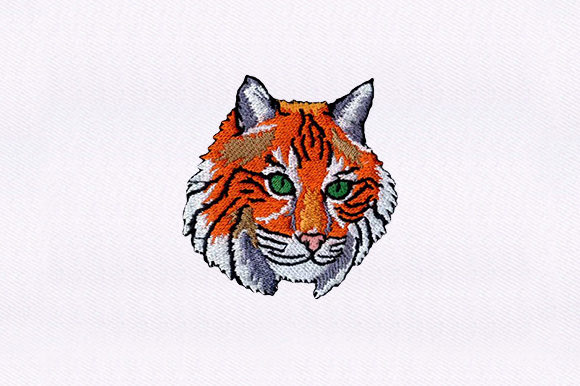
The name Wildcat immediately sets a tone. This isn’t a delicate floral or a cartoon pet. Based on the description calling it “adorable” and giving “character,” I’d categorize this design as bold, rustic, and character-driven. It likely has a playful, yet slightly wild, charm. For customers at a craft fair, this suggests a design that feels authentic, a touch outdoorsy, and full of personality—perfect for the Wild Animals category. It leans towards modern rustic rather than farmhouse soft or minimal. This mood is a huge selling point; it stands out in a booth filled with more generic patterns.
Product Performance: Where Will Wildcat Stand Out?
Your booth display—with tote bags, aprons, tea towels, caps, patches, and pillow covers—needs designs that perform differently on each product. Here’s how I see Wildcat working across your lineup.
Strong Focal Points: Bags, Aprons, and Pillows
For tote bags and market bags, Wildcat could be a fantastic central design. Its character-driven nature makes it a great focal point. On a simple canvas tote, a well-executed Wildcat embroidery feels premium and unique, increasing the perceived value. Similarly, on an apron, positioned centrally on the bib, it becomes a statement piece. For pillow covers, this design could anchor a decorative pillow with a rustic or modern cabin vibe, making it a great giftable item.
Accent and Detail Work: Towels, Pouches, and Caps
On tea towels or kitchen towels, consider Wildcat as a corner accent rather than a large centerpiece. The textured fabric of towels can complicate dense designs, so a smaller, cleaner version might work better here. For small fabric pouches or handmade gifts, a smaller Wildcat on the front adds a delightful touch of personality without overwhelming the item. Embroidered on a cap, the curved surface is tricky, but a bold Wildcat could be a standout feature, appealing to a specific customer looking for unique headwear.
The Power of the Patch
An embroidered patch featuring the Wildcat design is arguably one of its strongest applications. Patches are hugely popular, and a well-designed animal patch sells quickly. Wildcat’s likely bold lines and character would translate excellently into a patch, which can then be applied to anything. This also solves production issues—you can batch produce patches easily and display them simply in your booth.
Practical Production & Selling Points
Turning a digital embroidery file into profitable craft fair products requires practical thinking.
Clarity and Comprehension at a Glance
At a busy fair, customers decide quickly. Wildcat needs to be easily understood. A good animal design should be recognizable without tiny, fussy details that get lost. If the design has very dense stitch areas or extremely small features, it might lose impact when viewed from a few feet away on a booth table. Always test the design on scrap fabric first to see how it reads at a distance.
Photography and Online Sales
For your Etsy listings or online shop, this design needs to photograph well. Bold, clear designs with good contrast photograph better than overly intricate ones. Pay close attention to thread colors and fabric color choices. Embroidering Wildcat on a dark fabric may require different thread choices to maintain clarity. Creating at least one real mockup for photos, rather than relying solely on a printable mockup, is crucial for showcasing genuine handmade quality.
Batch Production Considerations
Is Wildcat repeatable? For batch-producing multiple craft fair products, consider stitch density and time. A very dense design takes longer and uses more thread, affecting your cost and time per item. Check the required hoop size. If it’s a larger design, it might only be efficient for certain products like totes. If it works in a smaller hoop, you can efficiently run it on patches, pouches, and towels. Always use the right stabilizer for the fabric to ensure every product in the batch looks pristine.
Careful-Use Notes for the Embroidery Designer
Before you commit to a production run, here are specific checks for a design like Wildcat.
- Small Details: Inspect the design file for tiny lettering or minute features. These can become muddled on textured fabrics like towels or on curved surfaces like caps.
- Scale Testing: Embroider it at different sizes. A design might be adorable at 4 inches but lose all definition at 2 inches. Know its limits for small accent applications.
- Thread Contrast: Review the suggested thread colors. High contrast between thread and fabric is key for visual pop, especially on busy booth displays.
- Stitch Density: High density can cause fabric puckering on lightweight materials and may require specific stabilizers. Test on various fabrics you plan to use.
- Commercial Licensing: The description mentions it’s a machine embroidery design. Before selling finished products, confirm commercial licensing for the digital embroidery file. This is a must for any small shop product or commercial embroidery business.
Final Impact on Your Craft Fair Booth
Incorporating Wildcat into your product lineup affects more than just one item.
It boosts customer attention by offering a clear, themed option in the popular animal category. A well-made Wildcat embroidery on a tote bag or patch shouts handmade quality and care. It can enhance brand consistency if your shop leans towards rustic, nature-inspired designs. In your booth display, a cohesive set of products (a tote, a patch, a pillow) all featuring the Wildcat design creates a stronger visual story and engages buyers more deeply. Ultimately, it increases product value—customers pay for uniqueness and character, which this design promises to deliver.
My final advice: Treat the Wildcat embroidery file as a key design asset. Don’t just stitch it once. Experiment. See it on different fabrics and products. Find where its character shines brightest—perhaps it’s the ultimate patch, or perhaps it’s the star of your tote bag collection. That’s the product that will give it, and your booth, the best chance to sell.