The Hawaiian Flower Llama Applique Design: A Designer's Review
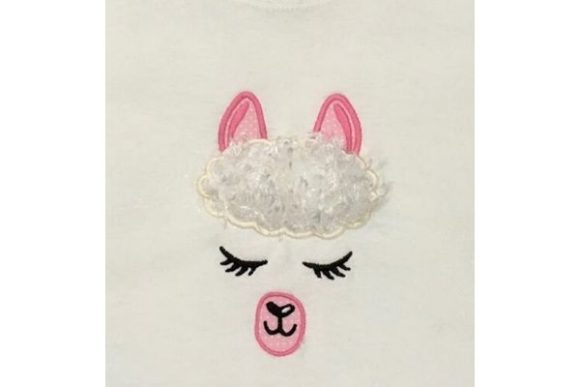
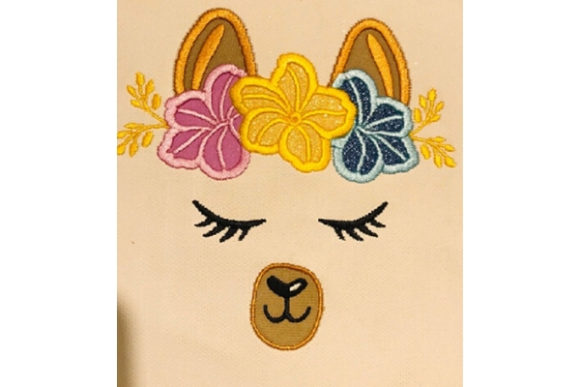
When I first opened the Hawaiian Flower Llama Applique embroidery file, the immediate impression was one of playful, tropical charm. This isn't a generic animal silhouette; it's a character. The fusion of a friendly llama adorned with a vibrant hibiscus creates a distinct visual personality that feels both whimsical and stylish. As a designer preparing real projects, my first thought was how this design would translate from screen to stitch, and what kind of products it would naturally elevate.
Where This Design Finds Its Perfect Home
The mood it creates is lighthearted and breezy, making it an ideal choice for projects that aim to delight rather than simply decorate. I immediately envisioned it on a canvas tote bag for a summer market, or as a central feature on a lightweight sweatshirt. Its appeal isn't niche; it straddles the worlds of nursery decor for a baby's blanket and a statement piece on a boutique kitchen towel. For small business owners and Etsy sellers, this versatility is key. You could build a cohesive theme around this design for a line of products, from aprons to pillow covers, each item carrying that consistent, cheerful branding.
In a real scenario, let's say a client requests a personalized gift for a friend who loves both llamas and Hawaii. This applique design becomes the perfect solution. Embroidered on a high-quality cotton pillow cover, the finished product feels thoughtfully curated, not just customized. The design's inherent theme tells a story, which increases its giftability and perceived value. For apparel decorators, applying it to a child's t-shirt or a lightweight cap would create a standout piece that stands apart from typical generic graphics.
Practical Performance on Real Products
Moving from concept to machine, the practical performance of any embroidery design is paramount. The Hawaiian Flower Llama Applique, being an applique design, involves layers of fabric and stitch types—likely satin stitch borders and fill stitch areas for the details. This means stitch density and the choice of stabilizer will be critical for a clean finish.
On stable fabrics like denim for a tote bag or twill for a cap, this design should perform beautifully, with crisp outlines and smooth fills. However, on stretchy fabrics like a standard sweatshirt or thin cotton for a baby item, you'll need to be meticulous with your stabilizer strategy to prevent puckering, especially around the dense areas of the flower and the llama's details. I would always test this design on a scrap of the exact project fabric first. This step reveals how the thread colors contrast against your background material and whether any small details, like the flower's center or the llama's features, need slight adjustment in thread choice to maintain clarity.
Considerations for Commercial Use and Visual Appeal
For craft businesses and creative entrepreneurs selling finished products, the visual appeal of a stitched design directly impacts customer trust and perceived professionalism. This design, when stitched well, offers a high level of detail that suggests quality craftsmanship. It’s not overly simplistic, which can sometimes make a handmade item look amateurish. The combination of elements creates a focal point that engages a buyer's eye in a digital mockup or a physical craft fair display.
However, its complexity means it should be used carefully on very small hoop sizes. Trying to cram it onto a tiny area might compress the details and make the satin stitches look crowded. It's best suited for a medium-sized embroidery area where its personality can shine. Also, on dark fabric backgrounds, the choice of thread colors becomes even more crucial to ensure the design doesn't lose its vibrancy and the llama's form remains distinct from the background. A test in both light and dark fabric scenarios is a wise investment of time.
A Designer's Final Notes Before Hooping Up
Before running this machine embroidery design for any client project or for your own small shop merchandise, a few final checks are essential. Confirm the exact hoop size required by the provided embroidery files. While the description mentions multiple file formats, which is excellent for machine compatibility, you need to know the physical dimensions to match it to your project.
Review the stitch sequence for the applique process to plan your fabric layers efficiently. Think about the final product's use: if it's a kitchen towel or a child's item that will need frequent washing, a robust stabilizer and quality thread will ensure longevity. For those creating digital product previews or printable mockups, the design's clear, recognizable shape makes it a strong asset for marketing.
Finally, always confirm the licensing terms for this digital embroidery file. If you intend to sell the finished embroidered products commercially—like tote bags or patches—you must ensure your license permits this. This is a fundamental step for any serious crafter or business owner using design assets.
The Hawaiian Flower Llama Applique has the charm and detail to become a star in your project lineup. With thoughtful application and practical testing, it can transform from a digital file into a finished product that truly captivates, whether it's destined for a holiday gift, a boutique's shelf, or a personalized keepsake.